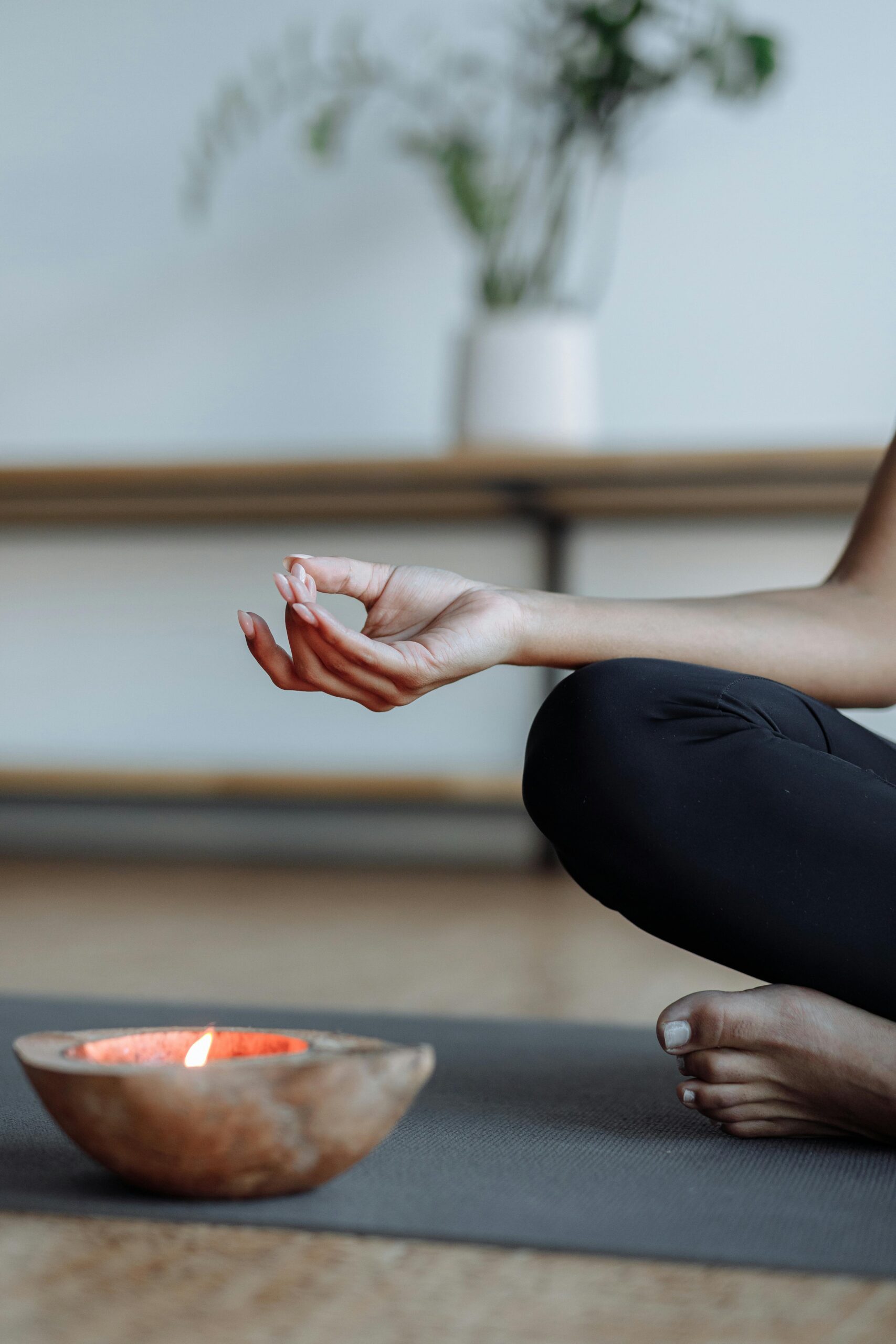
| As Reiki practitioners, we understand the subtle but powerful nature of energy healing. We work with intention, intuition and presence to bring balance and wholeness to ourselves and others. But did you know that integrating mudras—ancient hand gestures from yogic and Buddhist traditions—can greatly enhance the effectiveness of your Reiki practice? When used intentionally, mudras act as energetic circuits, directing the flow of Reiki with clarity and purpose. Whether you’re giving self-Reiki, providing a session to a client, or meditating to recharge your own energy, incorporating mudras can deepen your focus, amplify the healing frequencies and activate higher states of consciousness. What Are Mudras? Mudras (Sanskrit for “seal” or “gesture”) are symbolic hand positions used in Hindu and Buddhist traditions for thousands of years. Each mudra has a specific energetic effect, influencing the flow of chi throughout the body and mind. In yoga and meditation, mudras are often used to: * Enhance concentration * Clear blockages in energy channels (meridians or nadis) * Stimulate and rebalance specific chakras * Connect with deeper states of awareness All of these align with the principles of Reiki. Here are some examples of the Yoga Mudras:  Why Combine Reiki with Mudras? When Reiki and mudras are combined, their effects multiply. Mudras incorporated with Reiki directs the flow of energy with greater precision and intent allowing you to work more intuitively and effectivelt. Here are some powerful benefits: ✅ Enhanced Energy Flow Mudras act like energetic charges, helping you channel Reiki more intentionally. For example, Prana Mudra boosts vitality and immune strength—perfect to use when giving Reiki for fatigue or chronic illness. ✅ Faster Balancing of Chakras Using mudras corresponding to each chakra (like Anjali Mudra for the heart or Hakini Mudra for the third eye) accelerates alignment and balance, especially during Reiki chakra treatments. ✅ Deeper Meditation and Intuition Mudras like Dhyana Mudra promote mental clarity and stillness. When paired with self-Reiki, they open a channel for clearer intuitive insights and inner guidance. ✅ Intentional Healing Reiki flows best when paired with focused intention. Mudras reinforce that intention at the physical level—creating an embodied anchor for the healing you’re directing. Mikao Usui and Buddhist Mudras Usui Sensei was deeply influenced by Buddhism. While historical records are limited, it is widely believed that during his 21 day retreat on Mount Kurama involved intense meditation and most likely included mudras and mantra-based practices. Buddhist rituals often involve mudras to invoke different energies—compassion, wisdom, healing, or protection. Usui may have used mudras such as: Dhyana Mudra (meditative absorption) to access higher states of consciousnessAbhaya Mudra (fearlessness) to hold and project calming Reiki energyUsui’s teachings, rooted in simplicity and spiritual connection, likely drew upon these ancient tools in subtle ways. How to Use Mudras in Your Reiki Practice Integrating mudras doesn’t require a complex ritual. Here’s how to start: 🔹 1. Set Your Intention Choose your goal for the session—balancing a chakra, relieving anxiety, boosting vitality, etc. 🔹 2. Select a Corresponding Mudra Here are a few examples:Gyan Mudra: Clarity and wisdom – great for Reiki meditationPrana Mudra: Vitality – ideal for fatigue or immune supportApana Mudra: Detoxification – perfect for emotional release🔹 3. Activate the Mudra with Reiki As you perform the mudra, begin channeling Reiki. Let the energy flow through your hands and feel how the mudra naturally amplifies and directs it. 🔹 4. Adding Crystals for Deeper Resonance Placing a crystal aligned with your intention in the palm, or near the corresponding chakra, adds another layer of vibrational support. For example:Amethyst for third eye clarity (use with Hakini Mudra)Rose Quartz for heart healing (use with Anjali Mudra)Citrine for solar plexus empowerment (use with Surya Mudra)Using Mudras During Client Sessions You don’t have to use mudras in front of clients unless you’re teaching them self-practice. Many practitioners naturally fall into certain mudras when giving Reiki these may be intuitive gestures of healing, comfort, or connection. As always, trust your hands and intuition. You can also guide your clients into simple mudras during meditation or aftercare. For example, could say to them: “Try holding Gyan Mudra as you sit quietly with your Reiki session. It’ll help ground the energy and clear your mind.” Exercise: Self-Reiki Mudra Meditation: Sit in silence, connect to the Reiki Energy. Place your hands in Dhyana Mudra. Channel Reiki to yourself for 10–15 minutes. Set the intention: “I receive clarity, peace, and alignment.”Observe how the energy flows differently through this sacred hand gesture Aim to work with this meditation for 21 days and write your progress in your Reiki Journal. It will be interesting to see what changes occur! Final Thoughts Reiki and mudras are both healing systems rooted in intention, energy and spiritual growth. Used together, they form a sacred synergy that deepens your connection to universal life force and expands your capacity to heal. Whether you’re a Reiki Master or just beginning your journey, don’t underestimate the quiet power of your own hands. Through mudras, they become the keys to unlock greater wisdom, clarity and healing potential. Enjoy using the mudras with your daily Reiki rituals. |